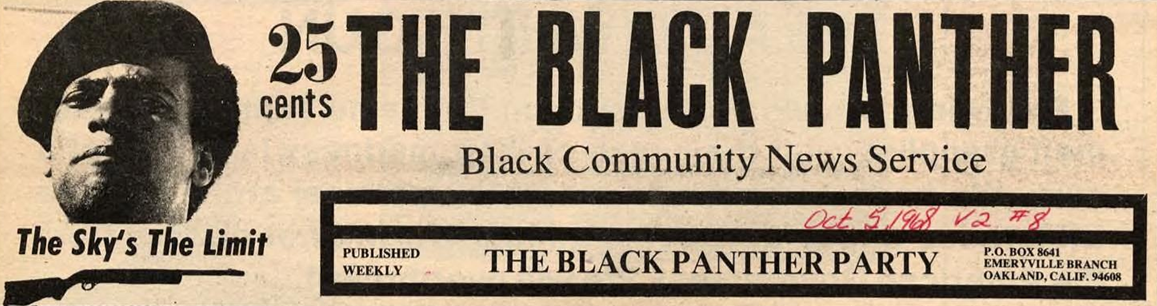
The Newspaper
The Black Panther was the Black Panther Party's official newspaper, serving as its ideological mouthpiece to chronicle police brutality, champion liberation struggles, and connect over 40 Party chapters in 30 major cities. It was designed to keep the Black community apprised of what was really going on since the news then, just like now, refused to tell the truth about anything, sending the masses only the messages the ruling class wanted them to have. It served as an economic support system, where rank-and-file members could sell the paper for 25 cents, keeping 10 cents for themselves to support their livelihoods and recruitment effort. This paper will do the same thing for organizers, community members, and small businesses who want to resell the paper to support their survival programs, their communities, their businesses, and their organizations.
At its peak circulation of over 400,000, The Black Panther was the country's most-read Black newspaper and had a great impact around the world, with international sections covering solidarity struggles in Africa, Asia, and Latin America. The artwork, especially the bold woodcut-style illustrations by Minister of Culture Emory Douglas, made the paper instantly recognizable and spoke a visual language that transcended borders and reached a global audience.
It was part of a long tradition of the Black press, documenting Black lives and pushing political platforms for Black communities when mainstream media was often overtly racist. The paper’s legacy continues to be felt today as it set the stage for contemporary Black media covering oppression, police brutality, and Black liberation
Who is the Black Panther Party?
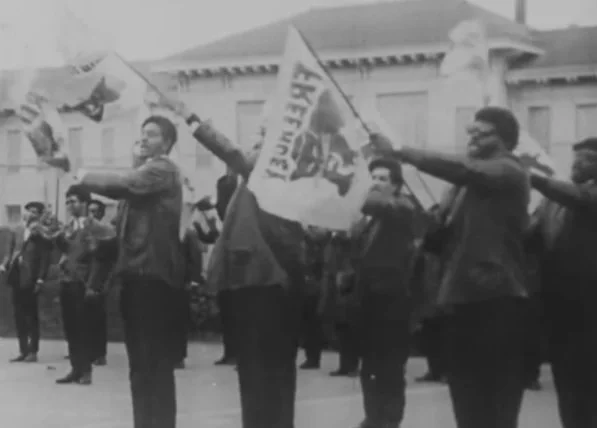
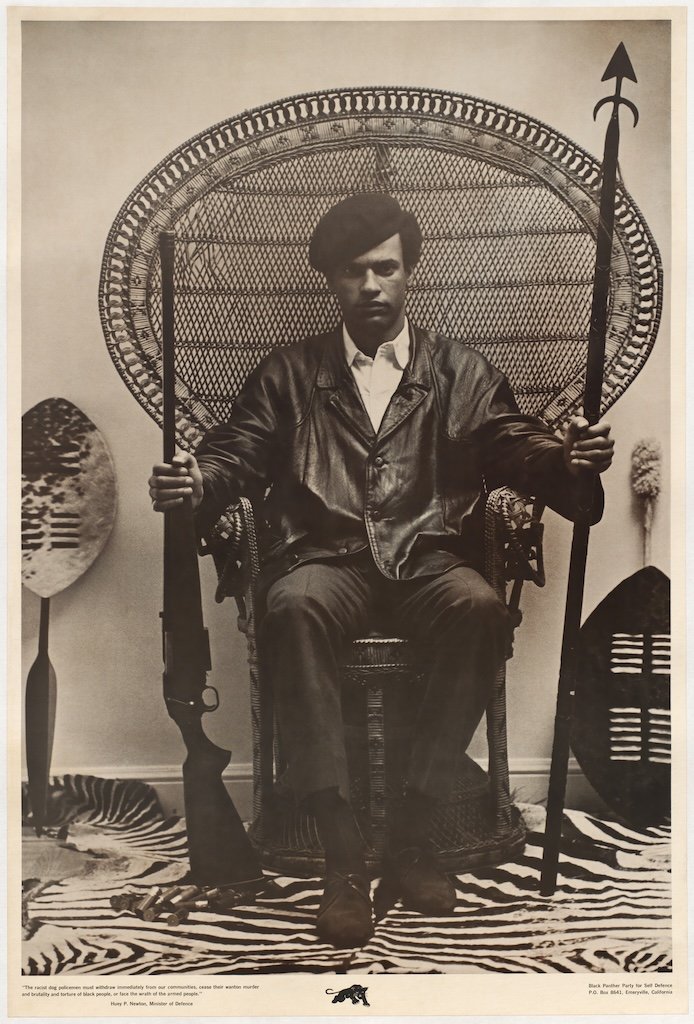
The Black Panther Party was a revolutionary organization founded in 1966 in Oakland, California, by Huey P. Newton and Bobby Seale to challenge systemic injustice and empower Black communities. Initially established as the Black Panther Party for Self-Defense, their first purpose was to patrol and protect Black neighborhoods from police brutality.
The Party evolved into a Marxist group that championed Black empowerment, self-determination, and the establishment of community-based social programs. Understanding the struggles of African American grassroots politics, racial injustice, and police brutality in the post-civil rights era is only possible through engagement with the BPP's history. The Black Panther Party’s campaign for African American equality had a lasting impact on Black empowerment and inspired minority groups around the world, with their influence felt in contemporary movements like Black Lives Matter. The Party pioneered free social service programs, such as the Free Breakfast for Children Program and Sickle Cell Anemia Research Foundation, which served as models for national programs now in the mainstream of American life. The Black Panther Party faced intense persecution, including FBI surveillance (COINTELPRO), police repression, and imprisonment, and exile which ultimately helped to shape and destroy the organization the original chapters.
Today, many family members and associates of the original Black Panthers keep the work alive based on the Survival Programs and Political Education used to carry out the Ten Point Program to benefit communities and to attempt to improve the current material conditions of the People. The Black Panther Party works with allies like the Brown Berets, the American Indian Movement, the Free Palestine Movement, the Redneck Movement, and The Panther Party to create intercommunalism and serve the People in its communities all over the US and around the world.